

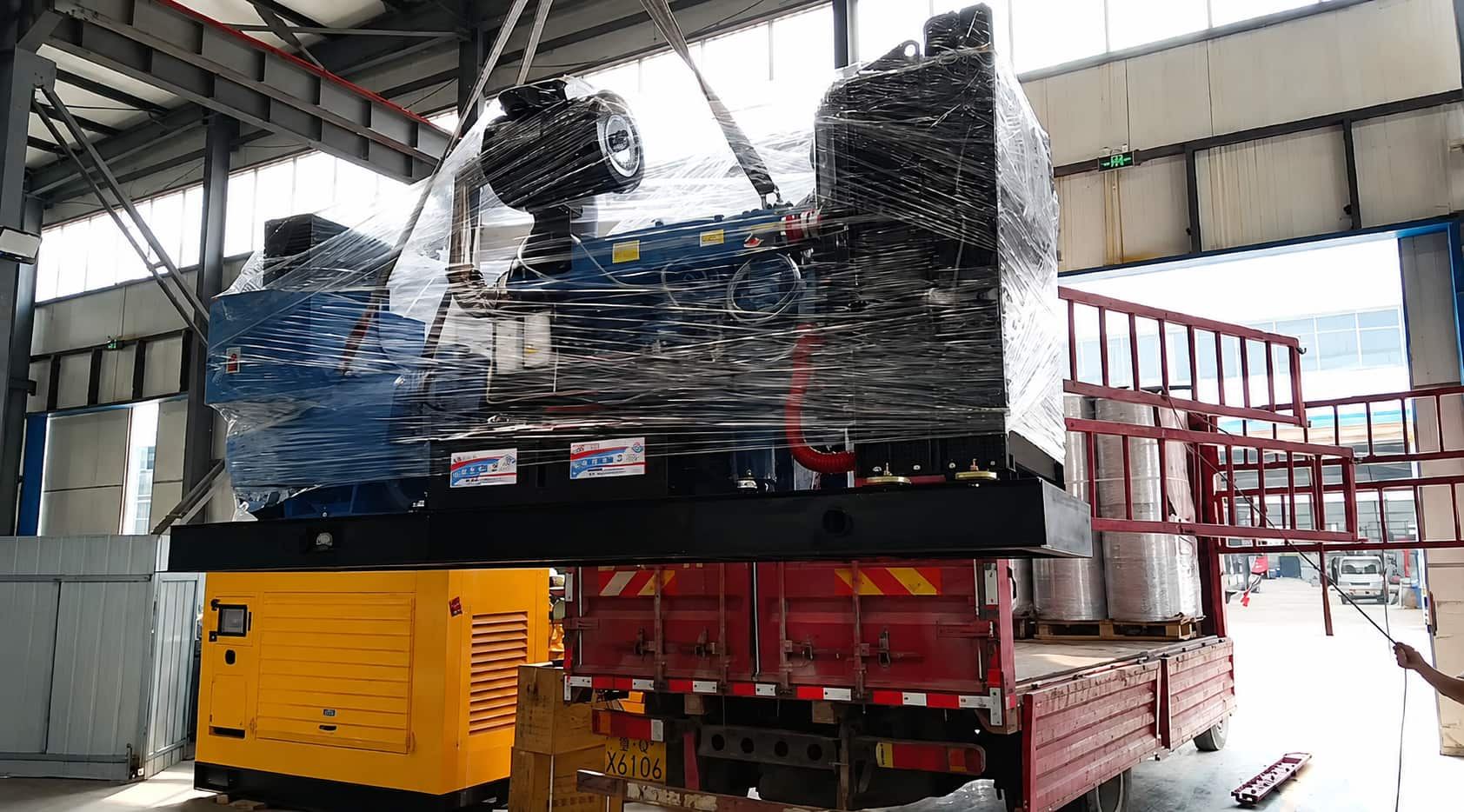
A food processing factory in Ogun State, Nigeria, required a more practical backup power solution for its daily production activities. The factory is located in the Ota area, where food processing and other manufacturing businesses are concentrated. Ogun State has a growing agro-processing sector, while industrial areas around Ota and Agbara continue to have significant electricity demand.
For a food processing plant, electricity is needed for more than the main production equipment. Motors, pumps, compressors, refrigeration equipment, packaging machines and lighting may all need to operate during production. A previous study of a food processing factory in Ota also identified pumps, motors, chillers and compressors among its electrically powered equipment, with the factory using both grid electricity and generator sets.
The customer therefore needed a backup power source that could be used when the utility supply was interrupted, without requiring a generator large enough to supply every electrical load in the factory.
The Customer's Power Challenge
The main concern was not simply having electricity available, but keeping the important parts of the production process running when the grid supply was unavailable.
A sudden power interruption could stop processing equipment in the middle of a production cycle. Packaging equipment could also be affected, while refrigeration and other auxiliary systems may need to continue operating to avoid unnecessary disruption to the production process.
This is particularly relevant in Ogun's industrial areas. In 2023, the Federal Government specifically highlighted unstable electricity supply as a concern for businesses in the Agbara industrial cluster, where factories had been relying on alternative power sources in addition to the national grid.
For this factory, the customer did not intend to run the entire plant from the generator at the same time. Instead, the backup power system was planned around the factory's critical electrical loads.
Why a 250kVA Generator?
After considering the customer's application, a 250kva generator was selected as the backup power source.
The generator has a rated capacity of 250kVA, equivalent to approximately 200kW at a power factor of 0.8.
This distinction is important when discussing generator capacity. A 250kVA generator is not the same as a 250kW generator. For this project, the available output was considered in relation to the actual equipment that needed to remain in operation during a power interruption.
The 250kva generator can therefore be used to support selected loads such as processing equipment, pumps, refrigeration-related equipment, packaging machines and essential lighting, depending on the factory's actual load configuration.
Rather than connecting every machine in the plant to the generator, the customer can prioritize the equipment that is necessary for maintaining basic production and safe operation.
Application in the Food Processing Factory
During normal operation, the factory can use its regular utility supply. When the grid power is interrupted, the 250kva generator can provide electricity to the designated backup circuits.
For example, a typical backup arrangement for this type of factory may prioritize:
Food processing machines and their drive motors
Water pumps used in production or cleaning processes
Refrigeration or cooling equipment required for the production area
Packaging equipment
Compressors and other essential auxiliary equipment
Production-area and safety lighting
The exact combination depends on the factory's measured load and the starting requirements of individual motors. Large motors and refrigeration equipment can have higher starting currents, so the generator capacity should be considered together with the actual operating and starting loads rather than simply adding the nameplate ratings of every machine.
This approach makes the backup power system more practical for a medium-sized production facility. The generator is used where it is needed most instead of being treated as a replacement for the factory's entire electrical supply.
Deman Power's Solution
For the project, Deman Power supplied a 250kva generator designed for the customer's backup application.
As a China-based generator manufacturer, Deman Power provides diesel generator sets in different power ranges and configurations. For projects like this, the generator capacity and configuration can be selected according to the customer's voltage, frequency, load requirements and intended operating conditions.
In this case, the 250kva generator provides approximately 200kW of rated power and is positioned as a standby source rather than the factory's only electricity supply.
This configuration allows the customer to continue using the utility grid during normal conditions while keeping the generator available for periods when the grid cannot provide sufficient power.
A Practical Backup Power Approach
For a food processing factory, a generator does not necessarily need to supply every electrical load in the facility to be useful.
A more practical approach is to identify the equipment that has to remain operational and build the backup power system around those loads.
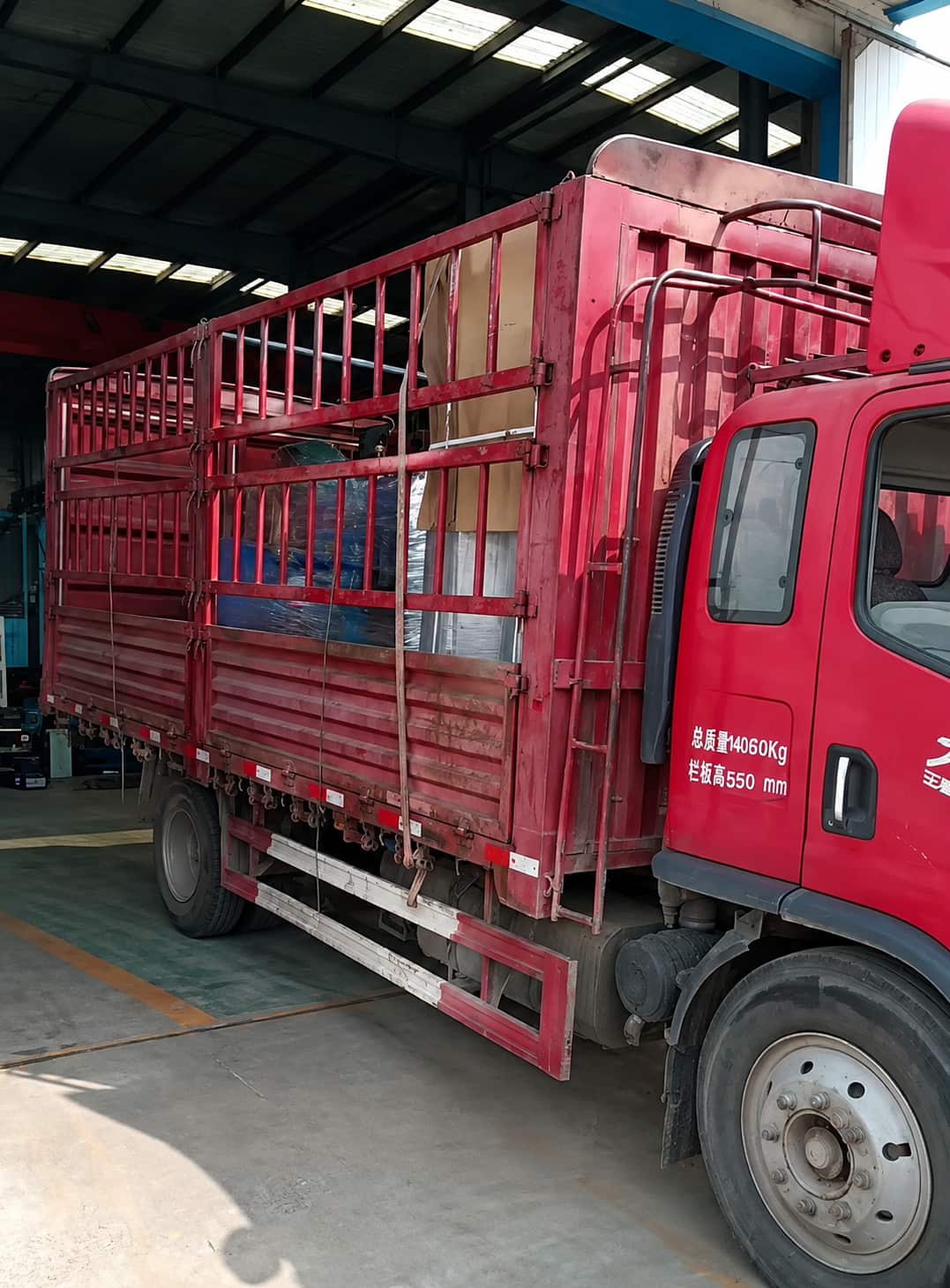
For this Ogun State project, the 250kva generator gives the factory a dedicated source for its selected critical loads during power interruptions. The arrangement can help reduce unnecessary production stoppages while allowing the factory to keep its normal utility supply as the primary power source.
For manufacturers and processors in Nigeria, this type of setup can be considered when planning standby power for production facilities where electricity interruptions can affect daily operations.
